
How I Stopped the Isolation of Aging with HIV

There are two parts to my life with HIV. On one side, the friends I lost before the Protease Inhibitors stopped the onslaught of death. The other is the last thirty years of my life, and the ever-present question, why did I live?
Surviving into my sixties was a win I never planned on. The co-morbidities I’m now facing are as deadly as the virus itself. Cholesterol, high blood pressure, renal issues, cardiac, and cognitive testing have all become part of my checkup routine.
But last year, I noticed something just as dangerous creeping into my life. Isolation.
Isolation as an effect of HIV Stigma
Even with the advances in treatment over the years, the stigma of an HIV diagnosis has not lessened. People still spread the most egregious misconceptions. Whether someone was diagnosed when the test first came out or just last week, the internal struggle they face is the same.
“What will happen when everyone finds out?”
“Will anyone ever love me again?”
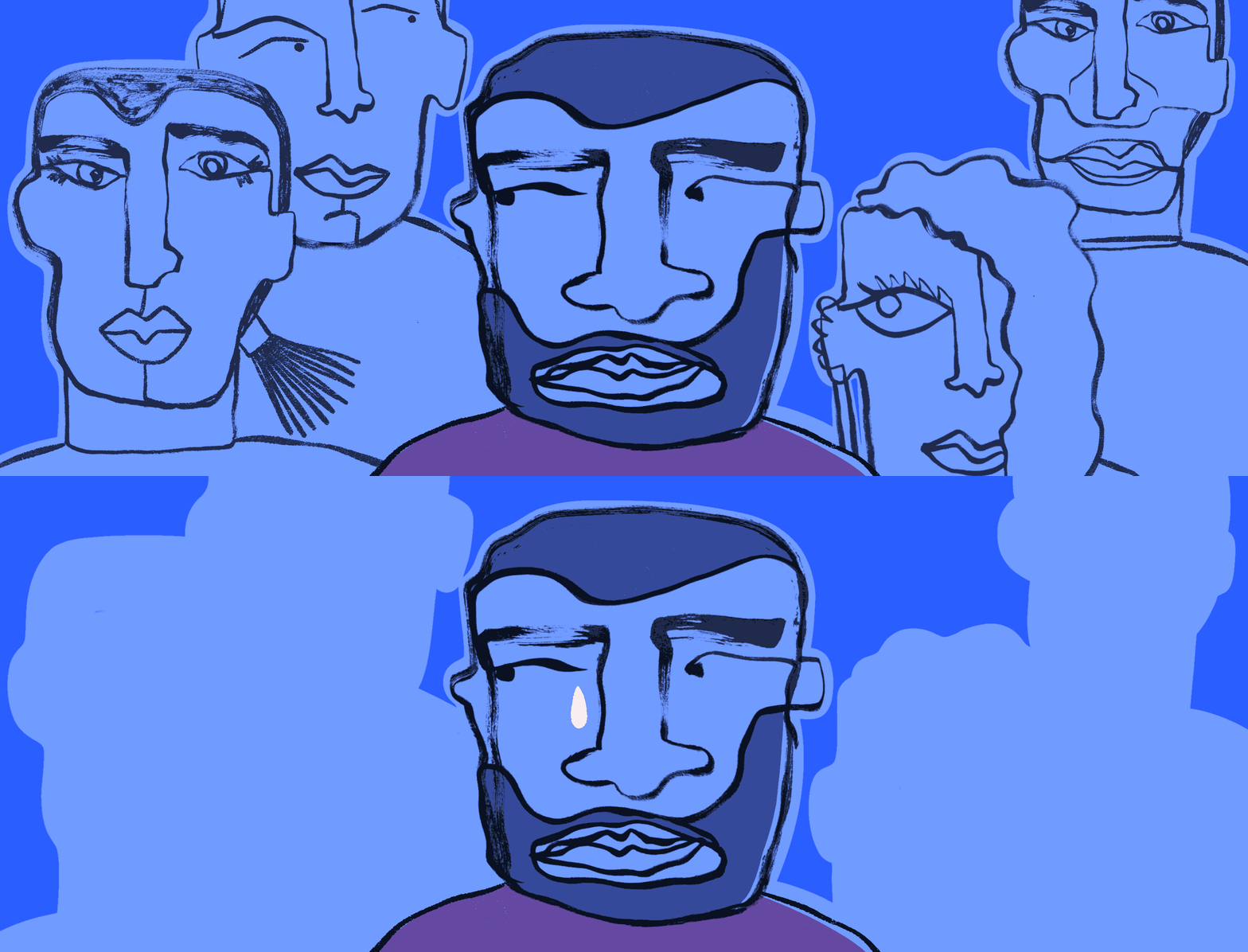
HIV stigma can erect a barrier between you and life very early on, and once it goes up, it can be difficult to tear down. Despite being open about my status throughout my life, I’ve become more selective about who I share that information with as I've gotten older. In a way, because of the better treatments, the lack of needing to disclose has put me back in a closet of sorts.
And as these regimens have improved, I’ve found that the people I once shared survival strategies with have moved on, and we have lost what we once had in common.
Why Isolation Can Be Deadly
Isolation and loneliness walk hand in hand. Loneliness can be devastating to your mental health. It can lead to depression, which in turn can harm your immune system further.
It is also a path into despair. Over the years, I’ve seen people give up time and again. They lose their reason for living and let the virus run its course.
Not having connections with people removes the support they can bring to your life. You can lose focus on treatment adherence, or worse, it can take away your desire to keep fighting. It can hurt the people around you because, as you push them away, they may never learn the truth behind the distance they feel.
And for long-term survivors, the guilt associated with surviving the loss of friends can be a burden that affects their ability to build new relationships.
I Found Myself Alone
Shortly after my sixtieth birthday, I realized all these things were happening to me, despite having been an HIV advocate all my life. I was surrounded by new friends who did not know my status. After radiation therapy for HPV related cancer, my T-cells were diminished, and I was reticent about deciding on changing therapies to help with the issue.
I stopped talking to people because I felt like all I did was complain, and everyone could see that I was closing myself off to the world, but they didn’t know how to help.
Living with HIV had become a mental burden and I was tired of dealing with it. But if I didn’t, all those people who never got the chance to live as I did would have died for nothing.
Rejoining the World
I had to want to be a part of life again. I started by changing my morning routine.
I stopped looking at my phone when I woke up. Work stress from emails sent the night before—the false narrative of other people's pictures on social media. News and updates that kept me from wanting to participate in the world. All this made it feel easier to hide from everything.
Now, when I wake up, I stand at an open window and take in the world for a few minutes. If I can, I breathe in the morning air and give my body and nervous system some time to feel safe.
Then I go out and find a stranger to smile at. Or pay a compliment to someone I encounter. This engagement with the world is a wonderful reminder of the joy you can find in performing small acts of kindness. Plus, it’s low-risk connections.
Reconnect With People I Know
Sometimes I send a random text to a family member. Other times it’s a photo dump of things I’m doing. But it fills in the gaps between phone calls and visits, and I’m in control of the narrative.
Other times, when I know I need to reach out to someone but don’t feel like talking about how my life is going, I send them a postcard. And here’s the thing, they know when I send one that I’m just not ready to talk right now because I’ve told them as much. I’ve opened up and set boundaries, and they don’t feel confused about what’s going on.
I’ve also used social media to reach out to past acquaintances. Some people who share the same experiences or who once had the same passion for discussing HIV as I have. Some of these connections have lasted, others haven’t, but these people remind me I’m not alone in this.
When I learned I was HIV positive, I did whatever it took to live as long as possible. I took on that battle with all my might, and now look where I am. But I feared dying alone more than anything.
Now, what I feared the most and saw happening to my friends is what I am fighting against in my golden years of living with HIV. But I plan on winning this one, too.
Join the conversation