


Getting a Tattoo While Living with HIV: What Should I Know?

30 years ago, not long after learning I was HIV positive, I decided to get a tattoo.
It seemed like everyone had one, had just gotten one, or wanted to get one.
You couldn’t go anywhere without seeing someone with a tribal marking, a clever quip in another language or lettering, or some iconic creature from an exotic place they had visited.
Deciding what tattoo to get was more than a design choice
The most intriguing to me, of course, were the people who chose the red AIDS ribbon. I thought it was a bold choice, and it spoke to me about living your life without fear.
But I wasn’t ready to be that open about my status, so I went a different route. I chose my Chinese astrological sign, the Dragon. Making a choice is more than design.
How did I research safe and reputable tattoo artists?
At the time, I lived in New Orleans with access to many reputable tattoo artists. I knew I wanted someone who understood the importance of sanitary conditions and the consequences of not using fresh needles.
Bloodborne pathogens like Hepatitis C can be transmitted if needles are not properly sterilized before use.1 With my immune system impaired, this was imperative as I did not want my body to fight multiple infections when I already had too few T-cells to spare.
1. I asked friends about their experiences
These were pre-internet times, so I couldn’t search and check how many stars they were rated. I had to rely on old-fashioned Q&A.
I started by asking the people in my circle where they had gotten their tattoos. Through their combined comments, I narrowed the choice of salons down to one that everyone had frequented.
2. I interviewed possible tattoo artists
The best tip I received was from someone who sported multiple AIDS ribbons on their back. Each one designated a friend who had passed away.
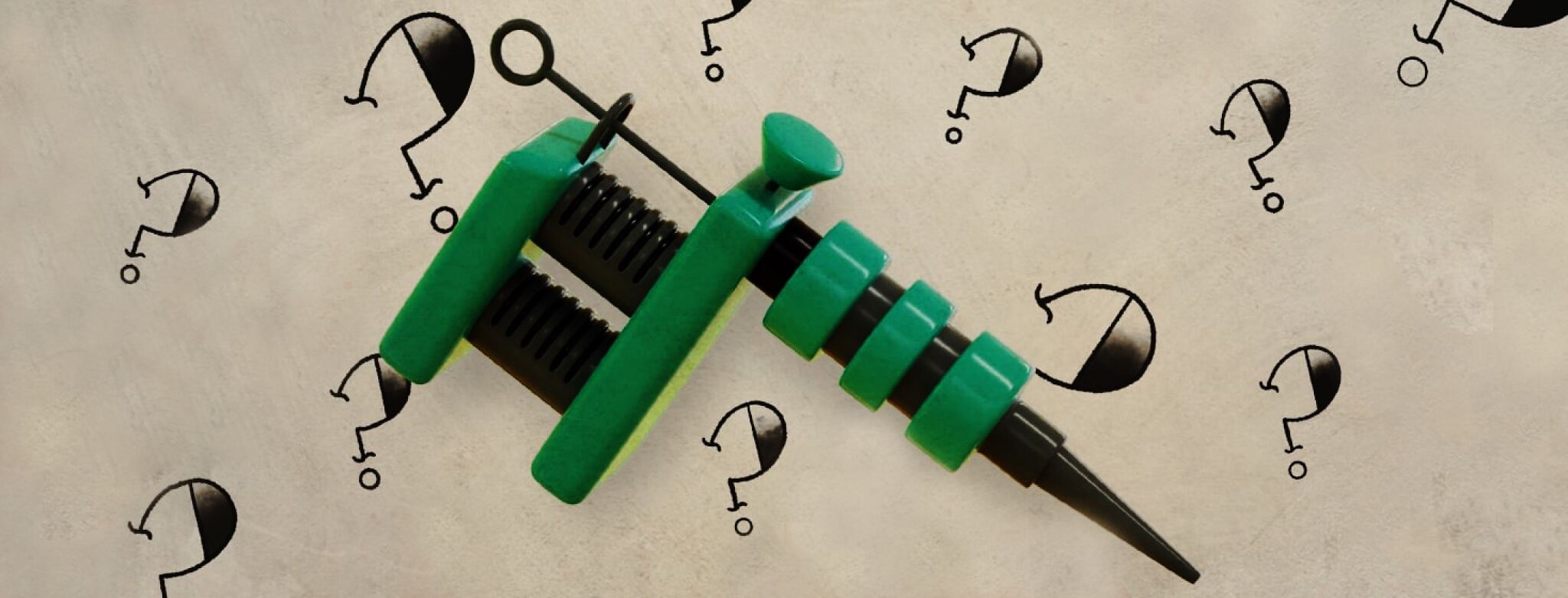
He told me that in addition to the needles, you had to be careful that the gun itself is clean, as well as the chair or table you are lying on. I had not thought of that, and he suggested that before I got under the needle, I should make an appointment to talk to the artist and find out about their process.
So, I set up an interview. I don’t remember all the details from that first experience, but recently I considered adding a third tattoo.
3. I learned that safety measures impact both customers and tattoo artists
While meeting prospective artists, I learned all about the autoclave, which is used to sanitize the gun.
I was also informed that between customers, the chair is wiped down, sprayed with sanitizer, and allowed to air-dry. The artist also showed me the personal protective equipment he wears, such as face masks, eye shields, and disposable gloves.
He said it was just as important to protect himself as it is to protect his clients.
This or That
Before getting a tattoo, I spoke with my doctor and researched reputable tattoo artists.
Was I ready to disclose my HIV status to my tattoo artist?
What do I share?
I was taken aback by the honesty regarding protecting himself as well as me. I realized that safety is a two-way street in this intimate decision, and I wondered how honest I should be with my tattoo artist.
Disclosure of your status is a very personal act. I was not ready to do that when I got my first tattoo, but I’m confident that discussion will happen for my third.
Over the years, I have grown to understand the importance of not putting others at risk.
Federal law and reputable online information protect people living with HIV
I also know that I cannot be denied service at a tattoo parlor just because of my HIV status, thanks to the Americans with Disabilities Act (ADA.)2
And thanks to the internet, I can find a reputable, experienced artist who meets my specific needs and is comfortable working with our community.
But each person is at a different point in their HIV journey, and that decision is yours to make alone.
Taking care of a new tattoo and protecting my long-term health
It's not over when the needle stops. Taking proper care of your new tattoo is vital.
It’s basically an open wound on your body and is a portal to all kinds of nasty bugs in your system. Be sure you’ve got lots of hand soap and sanitizer around. Don’t put it in water and keep it out of the sun.
My first tattoo artist was great. He had a handwritten xeroxed copy of all the do’s and don'ts for me to take home. I would expect a QR code linked to a website these days, but even if I didn’t already know what to do, I would do my research first so that I would be prepared with all my healing tools.
Getting a tattoo can be an exciting prospect and sometimes a spur-of-the-moment choice. For people living with HIV, we have to take the spontaneity out of it so we can make the best decision to protect our long-term health.
When I get that third tattoo, I’ll let you know what I chose.
Join the conversation